- Tem Alguma Duvida?
- (47) 3040-2220
- [email protected]

Casino Responsible Gambling Signs Of Problem Through Mobile Habits
Explore Real Money Games in a Safe Way Online
6 de outubro de 2026Gouden_kansen_en_spannende_acties_rondom_https_zombillionscasino-netherlands_nl-71937593
6 de outubro de 2026Most Australians reach for their phone first when they want a punt, and that small change in delivery has reshaped how the warning signs of problem gambling actually show up. I have shipped responsible gambling features across multiple wagering products, and the mobile-first design pattern changes everything from session timers to deposit nudges. The mobile experience over at https://spinagoonlinepokies.com illustrates how quickly sessions blur into one another on a phone, which is exactly why recognising those signs early 777skycrown.com matters.
The Commute Player Who Stops Counting Time
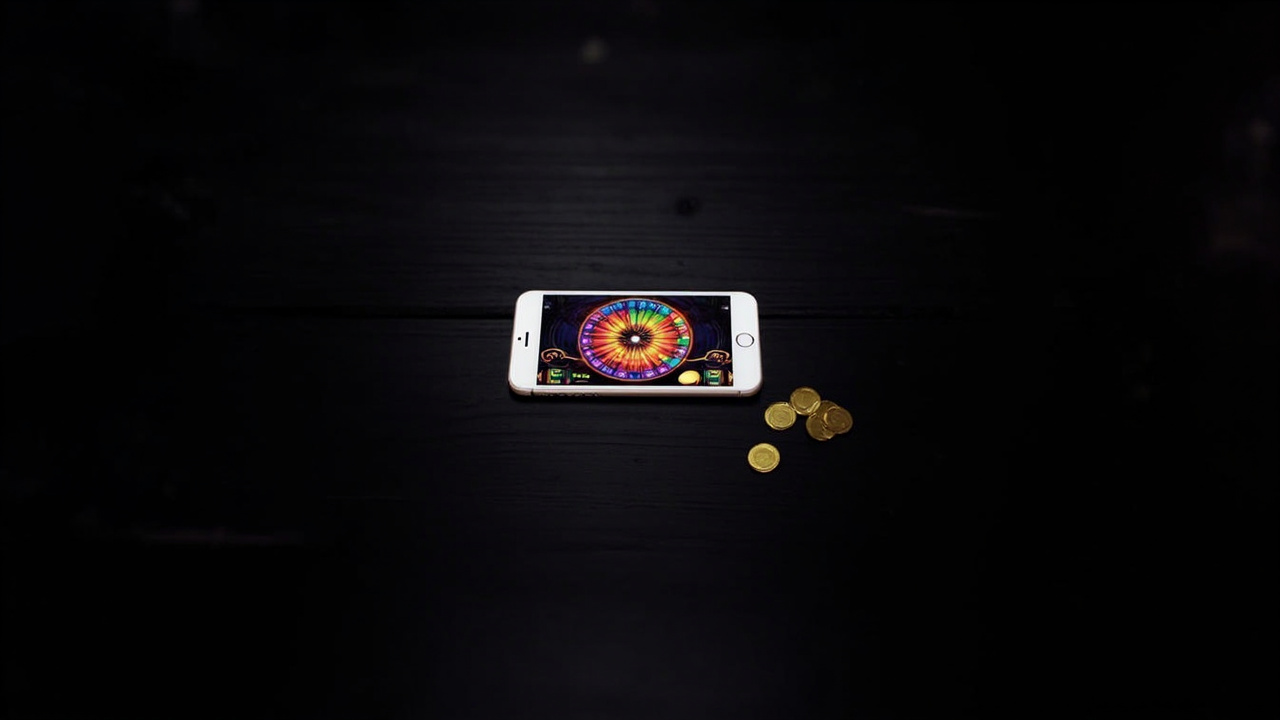
Picture someone on the Spirit of Tasmania ferry pulling into Hobart, thumb flicking through pokies between deck three and the car park. Mobile sessions feel like nothing because the phone fits in your hand and the timer hides behind the screen. That is exactly where the early signs start to stack up, frankly faster than on a desktop where you had to sit down and load a page deliberately.
A session that used to last twenty minutes stretches past an hour without you noticing. You open the casino app to check a balance and end up playing another round, then another. The deposit button sits one tap away, which makes the second top-up feel automatic rather than deliberate. You stop noticing the dollar figure because the keyboard already knows your card.
Mobile-first design compresses friction, and that compression cuts both ways. It lowers the effort to play responsibly as well, because reality prompts, cool-off toggles, and spend trackers are usually buried in the same menu where you launched the game. Reckon on the warning sign being behavioural first: time loss, repeated top-ups, and a vague sense that the arvo slipped past without you.
The Journalist On The Street And The Product Lead In The Room
A reporter in Hobart, sitting in a cafe near Salamanca Place with her notebook open, asked whether mobile gambling was more dangerous than the old desktop days. I pushed back on the framing, the same way I would push back in a sprint review when a stakeholder asks for a feature that ships faster than the risk controls. On mobile that means putting the limit-setting screen one tap from the cashier, not three menus deep.
The reporter walked me through a pattern she had been hearing about in letters from Tasmanian readers. Players opening an app after dinner, telling themselves one quick round, then realising the kitchen light had been on for two hours and nobody had eaten. Mobile does not create the addiction, but it absolutely compresses the time between impulse and action.
In my own product work, I have watched analytics show session length balloon when push notifications go out at 9pm, and I have insisted those notifications be paired with a spending summary. Defo not a popular call with the marketing team, but it is the right call when you are weighing whether players leave in better shape than they started.
The Late-Night Omaha Player And The Trap Of The 1913 Spin
Most responsible gambling tools assume the player can think clearly about odds, which is the very skill that goes out the window when fatigue kicks in. Picture a poker fan running Omaha on their phone at midnight because the kids are finally asleep. They know Omaha deals four hole cards and requires using exactly two, yet they convince themselves the next hand will work because the last three ran cold.
That particular faulty thinking has a history. In 1913, a roulette wheel at Monte Carlo landed on black twenty-six times in a row, and gamblers kept piling chips against black, sure red was overdue. The Monte Carlo fallacy, also called the gambler’s fallacy, still drives online behaviour. Mobile makes the pattern repeat itself: one more spin, one more hand, one more deposit to chase the run.
The sign here is not the loss itself but the reasoning behind it. If you catch yourself saying the app owes you a win because you have been losing, that is the clearest responsible gambling red flag your phone will ever show you. Step away, set a cool-off, and defo do not chase the streak.
The Player Who Notices Their Own Pattern First
The hardest sign to catch is the one inside your own head, which is why mobile-first products need a quick route to self-check tools. If the deposit button takes one tap, the limit-setting button should take one tap too. Anything else is theatre, and busy as those menus get, players will skip them every time.

If you are wondering whether your mobile play has drifted from choice to habit, weigh these signals before your next session. Watch for these:
- Time loss: opening the app for a quick check and not closing it until you have made three deposits.
- Spending drift: topping up because the balance is low, not because you planned that amount.
- Mood play: logging in angry, bored, or tired and using spins to fix it.
- Concealment: closing the app when someone walks into the room.
Mobile sessions leave a digital trail your desktop days never did. Check your screen-time report and SMS confirmations. The numbers tell you what your mood will not, which is the first step back to a session you control. Knowing how a game’s bonus structure works, particularly how scatter symbol features shape the most volatile bonus rounds, helps you weigh real odds before your next tap.
The mobile phone is the casino now, and that shift will not reverse. Treat the responsible gambling signs as features on a product you are testing rather than a personal failing, and you give yourself the head start any well-designed app should offer. Set limits early, log out when the timer nudges you, and check the screen-time report once a week. No worries if it feels clinical at first; the maths is what protects you.
